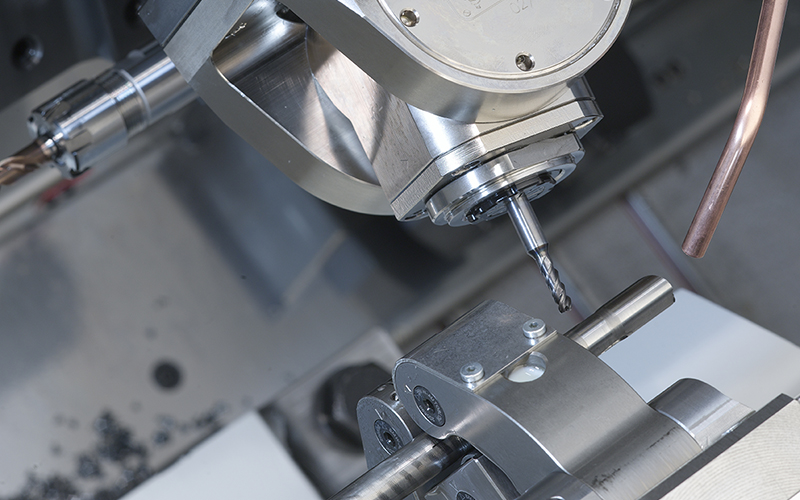
A LATHE... WHAT FOR?
For turning, of course.
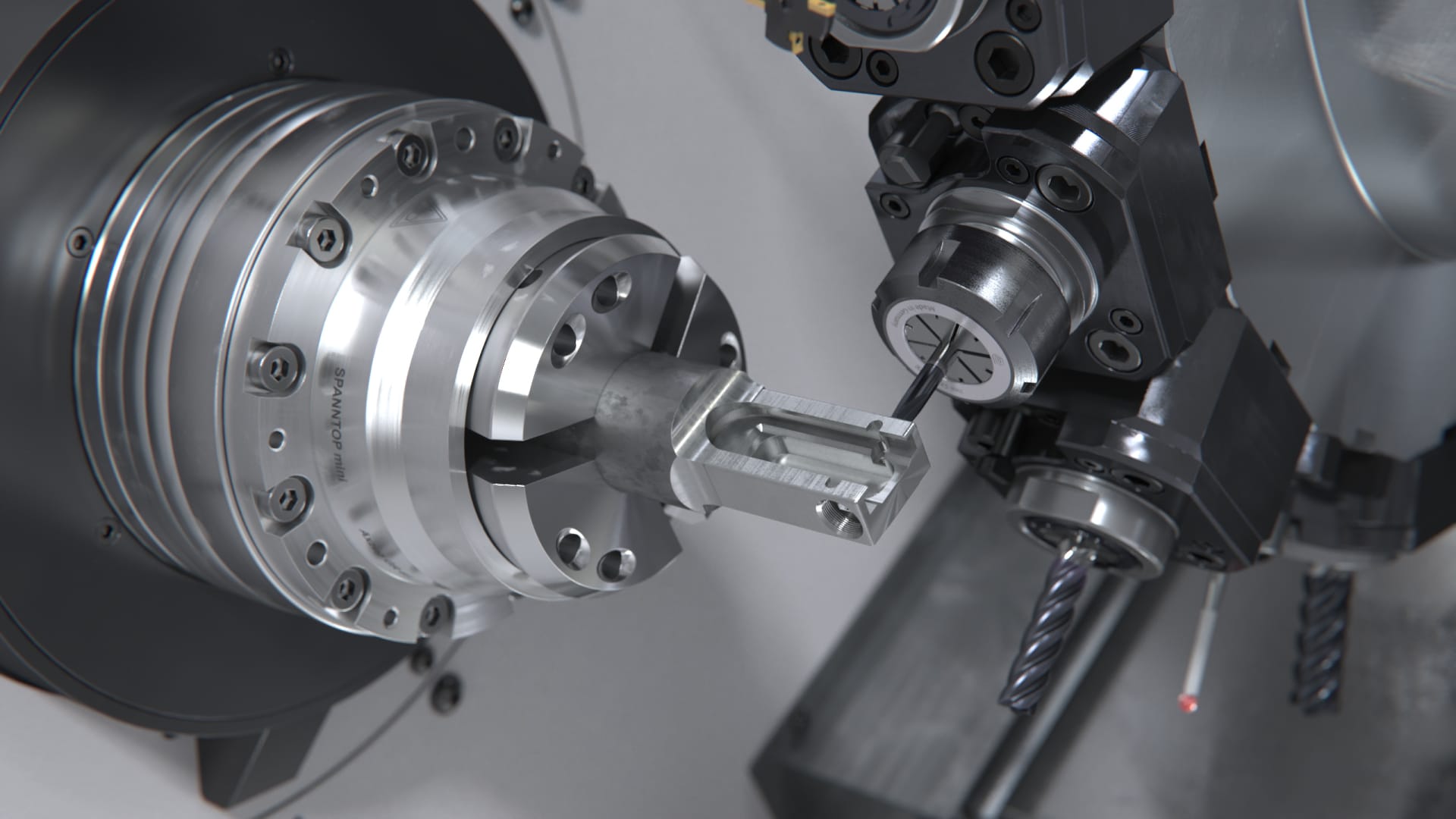
But then, why do some customers buy lathes just for milling?
The answer is not that surprising.
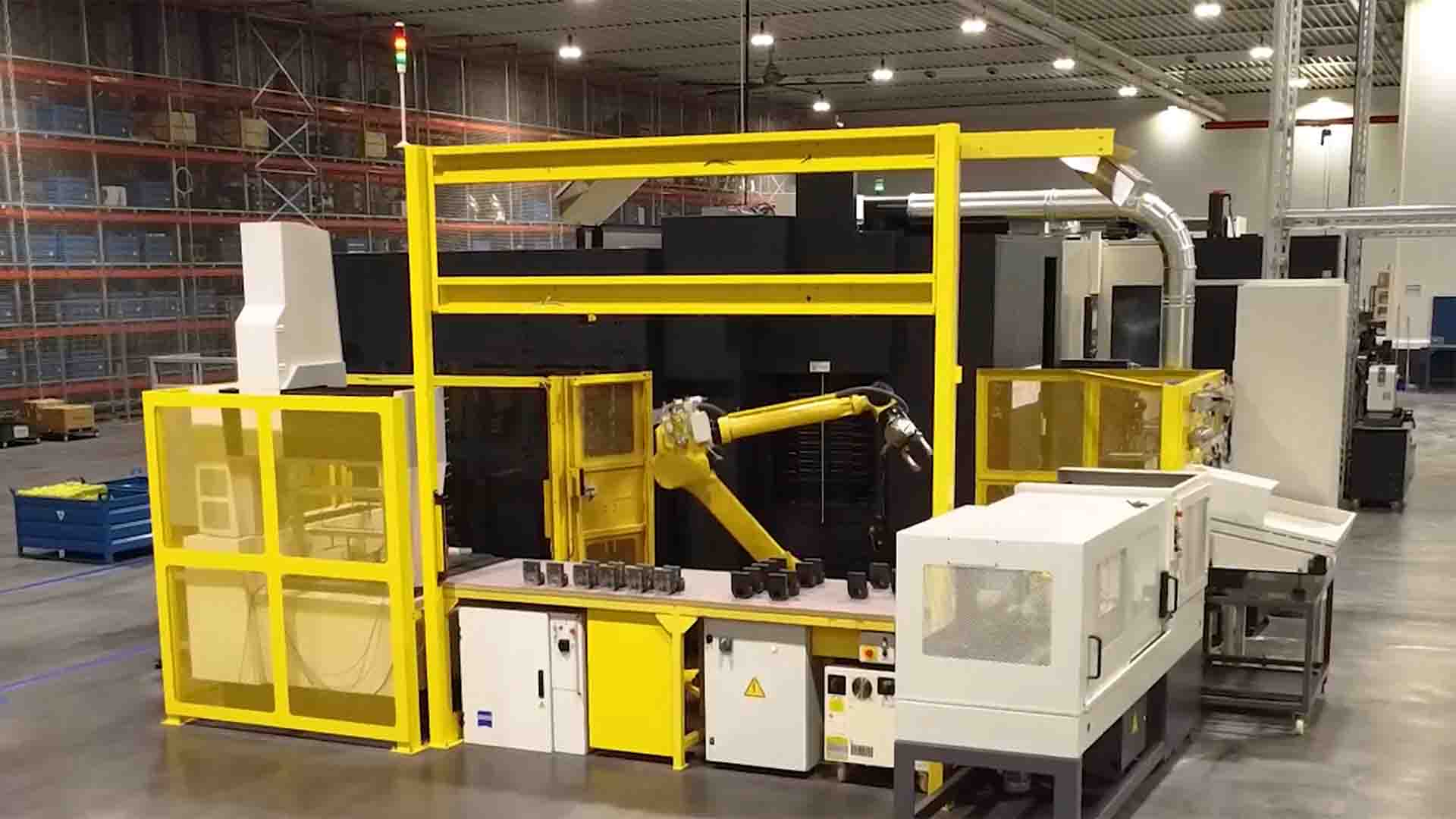
Five-axis machining centre with robot and automation system
Investment: €500k
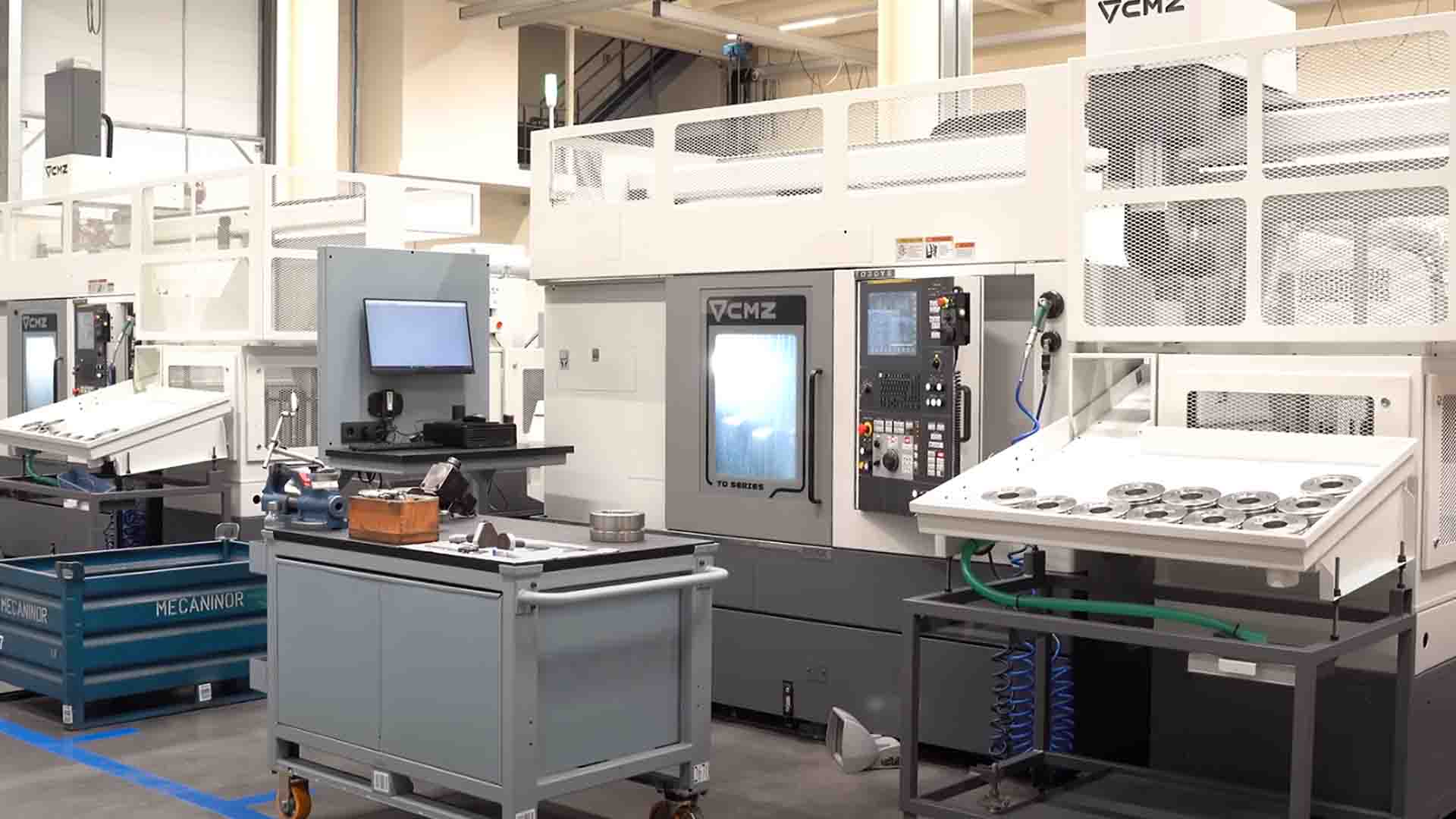
Lathe with bar feeder and/or Gantry
Investment: €250k
IS IT POSSIBLE TO MANUFACTURE ON A CNC LATHE PARTS THAT ARE NORMALLY MACHINED ON 5-AXIS CENTRES?
Yes. In fact, some companies produce complex parts, traditionally machined on 5-axis centres, using a single CNC lathe. In many cases, this “all-in-one” solution is more efficient than the centre + robot setup.
An example is the French company Arca Swiss. Equipped with the latest generation of CMZ machines, its strategy is to integrate all milling operations in a single lathe, with no external operations. In this way, each part is completely finished on a single machine, ensuring precision, concentricity and productivity.
This has allowed them to:
- Manufacture complex parts on a single machine.
- Reduce times for manufacturing and handling.
- Reduce manufacturing costs by 30% to 50%.
Arca Swiss has shown that 100% of the milling operations on its parts can be carried out effectively on a lathe with driven tooling and a Y-axis. They highlight on their CMZ machines the milling capacity at 12,000 rpm.
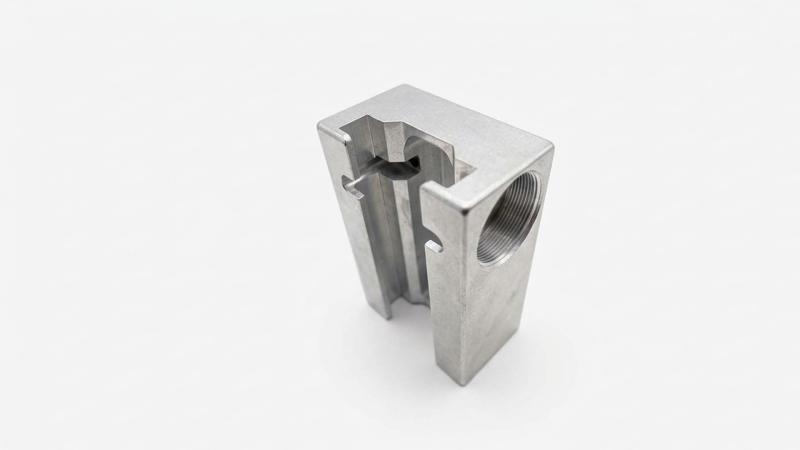
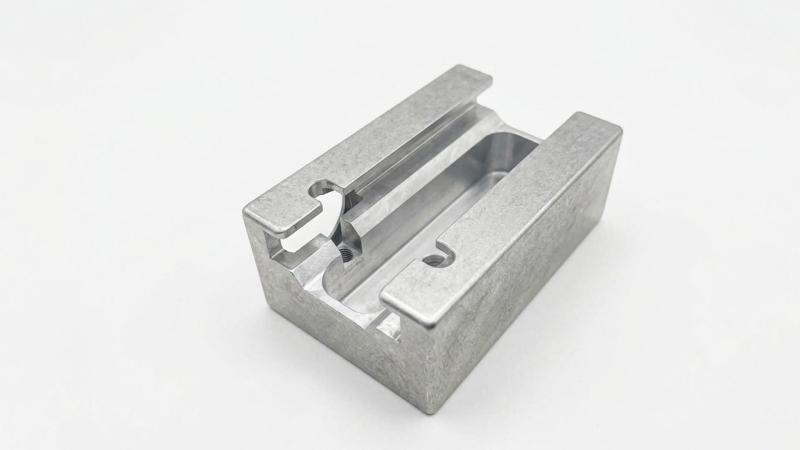
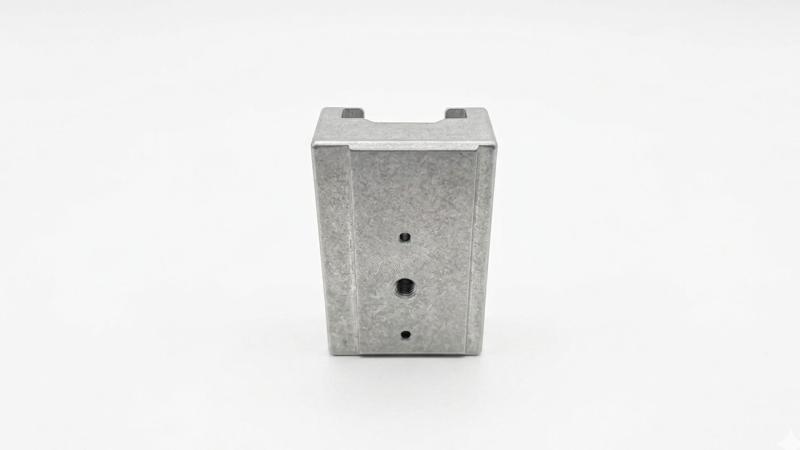
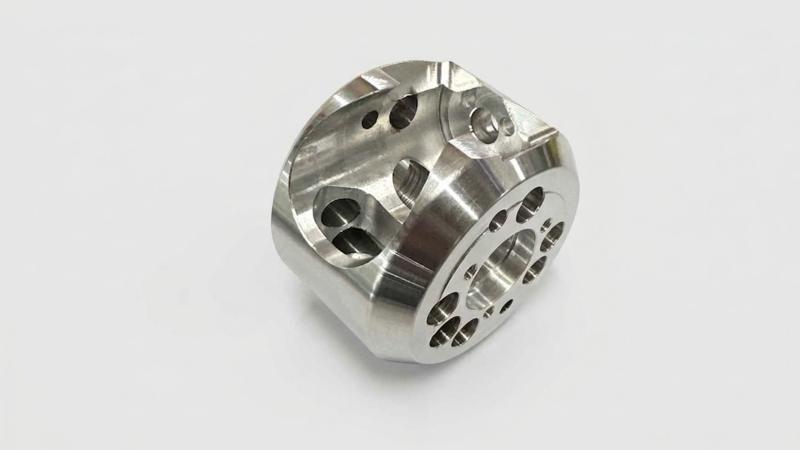
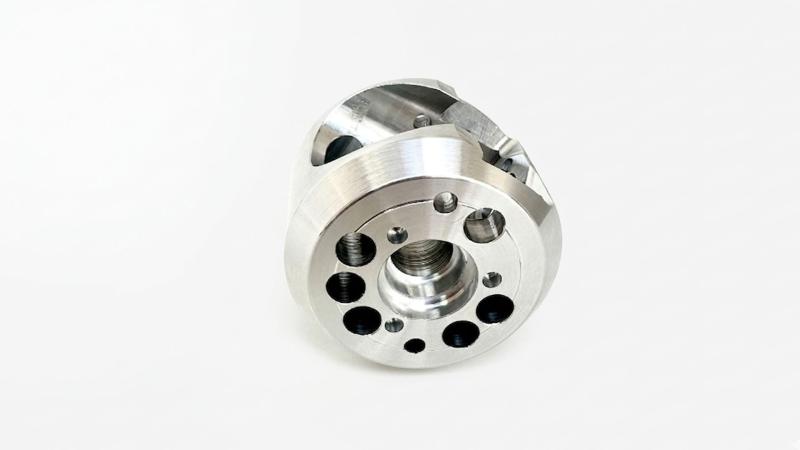
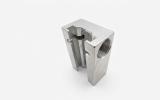
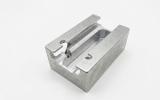
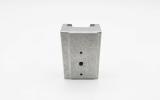
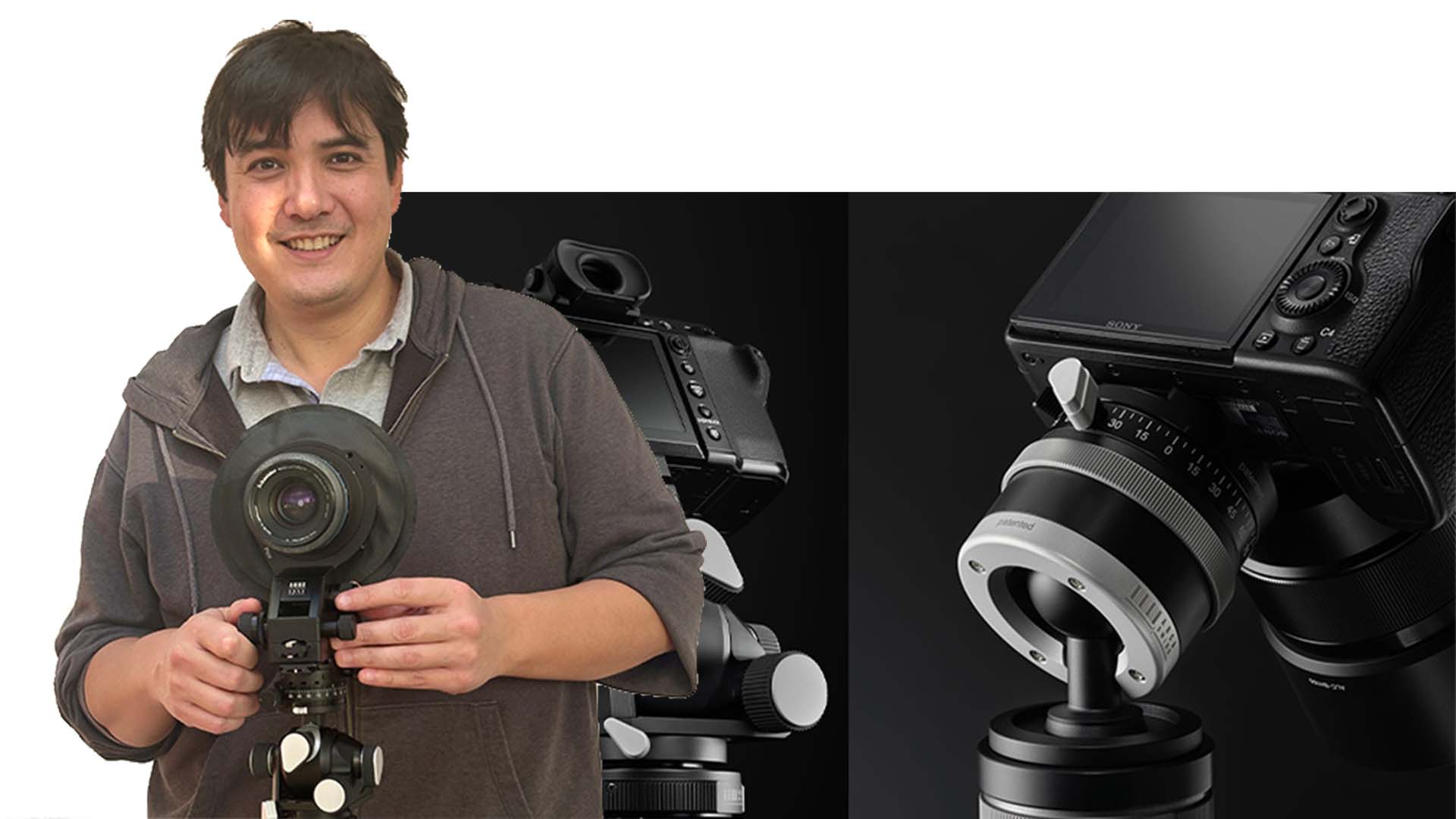
“Before we used two different machines for turning and milling. Now we have integrated 100% of the process onto a CMZ lathe, reducing manufacturing costs by up to 50%.”
Jean-Pierre PIEVE | CEO of Arca Swiss
DISCOVER HOW ARCA SWISS HAS INTEGRATED 100% OF ITS MILLING OPERATIONS ONTO A LATHE
WHAT FEATURES MUST A CNC LATHE HAVE FOR MILLING?
Not all lathes are designed to perform demanding milling operations.
To achieve results comparable to a machining centre, they must incorporate specific technical features, especially in the turret, the driven tooling and the rigidity of the guideways.
NEW 20-POSITION TURRET
A large number of tools is required for milling.
For this reason, CMZ has developed a new configuration designed for machining complex parts: the 20-position turret.
Its main advantages are:
- Greater number of available tools. Thanks to the use of double toolholders offset on the Y axis, it is possible to increase the number of mounted tools.
- Twin tools for continuous production. Reduces the number of stops for changing worn inserts, ensuring uninterrupted production.
- Boring capability. The turret design makes it easier to mount longer tools towards the subspindle, allowing longer boring operations.
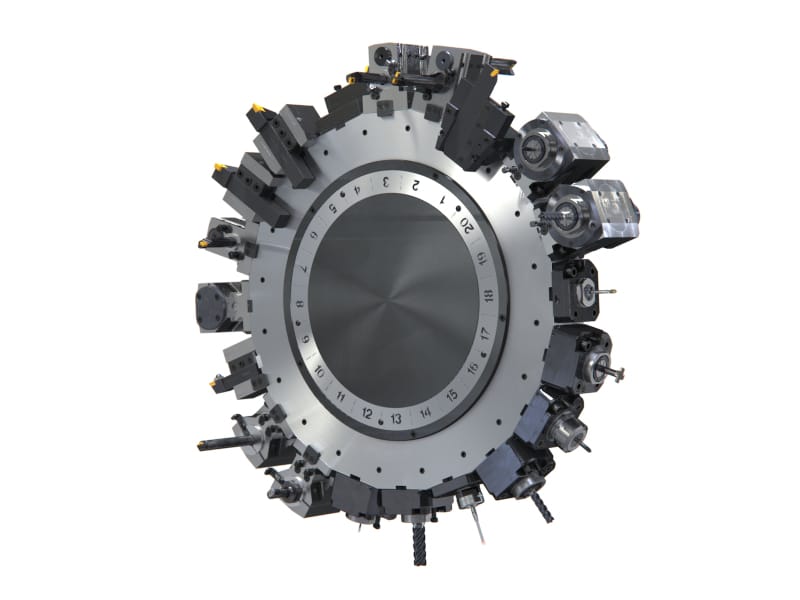
EXAMPLE OF LONGER BORING


MOTORISED TOOL AT 12,000 RPM
The power, torque and spindle speed are key factors in achieving results similar to those of a machining centre.
CMZ machines are designed for milling operations under very demanding conditions thanks to the following features:
- Large-section prismatic guideways. They reduce vibrations that are very common in milling operations.
- Motorised turret of 13 kW, 105 Nm and 12,000 rpm. These technical specifications guarantee optimal cutting speeds with high-quality finishes.
- Oil-cooled turret. Increases thermal stability and allows operation at 12,000 rpm in S1 duty (continuous duty).
- Very short tool change time. Turret indexing between consecutive positions is less than 200 ms.
SUMMARY: WHY USE A CNC LATHE FOR MILLING OPERATIONS?
A CNC lathe equipped with driven tooling and a Y axis can perform complex milling operations. In many cases, this solution replaces a 5-axis machining centre with robot and automation system for the following reasons:
- The investment is half the price.
- The use of bar feeders or Gantry systems allows easy automation.
- Set-ups are reduced, non-productive times are reduced and accuracy improves.
- Companies such as Arca Swiss already manufacture complex parts using 100% CMZ lathes, reducing their production costs by 30% to 50%.
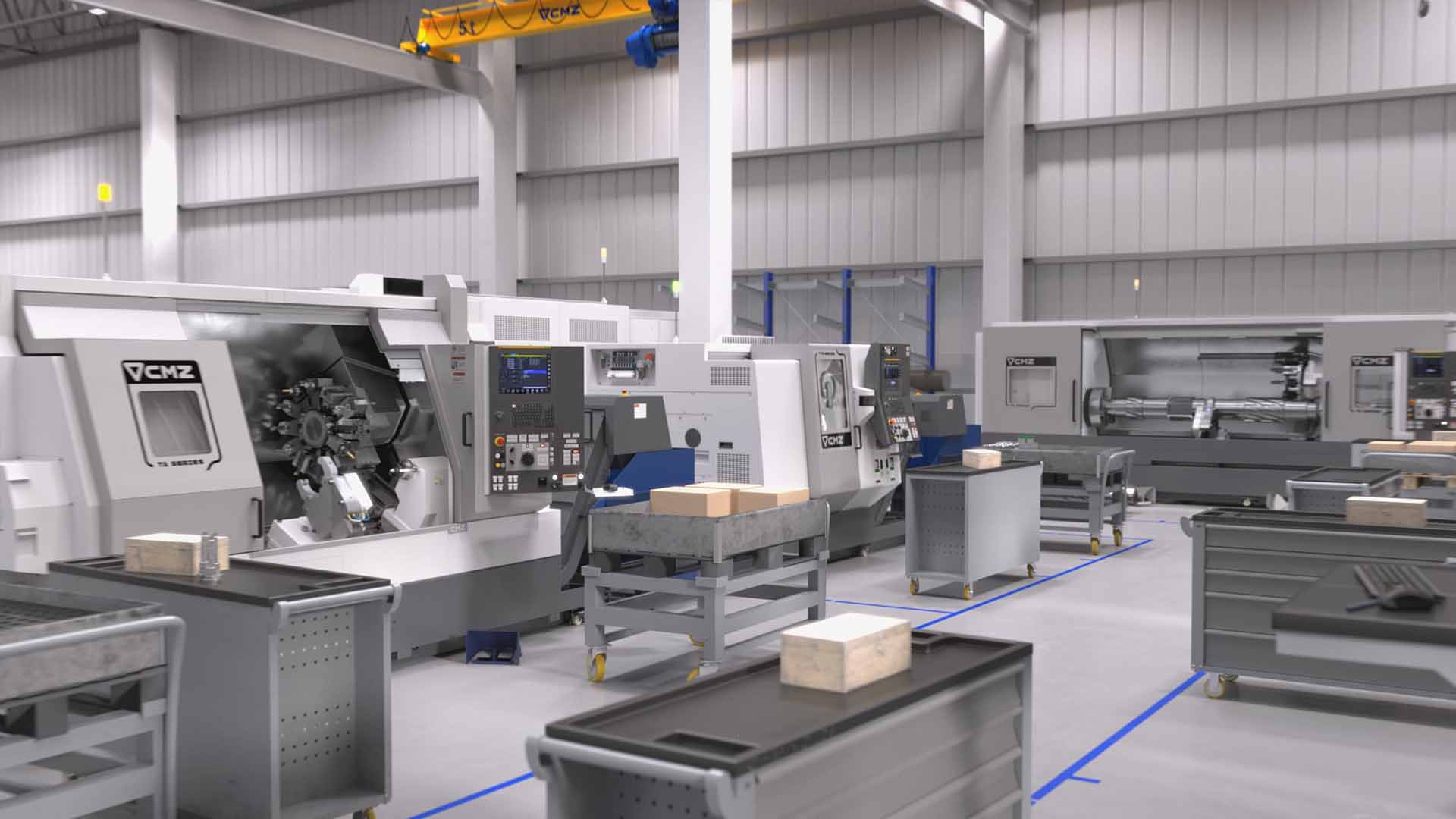
ARE YOU LOOKING TO INTEGRATE YOUR MILLING AND TURNING OPERATIONS INTO A SINGLE MACHINE?
Contact us and our sales team will advise you on the solution that best suits your needs.