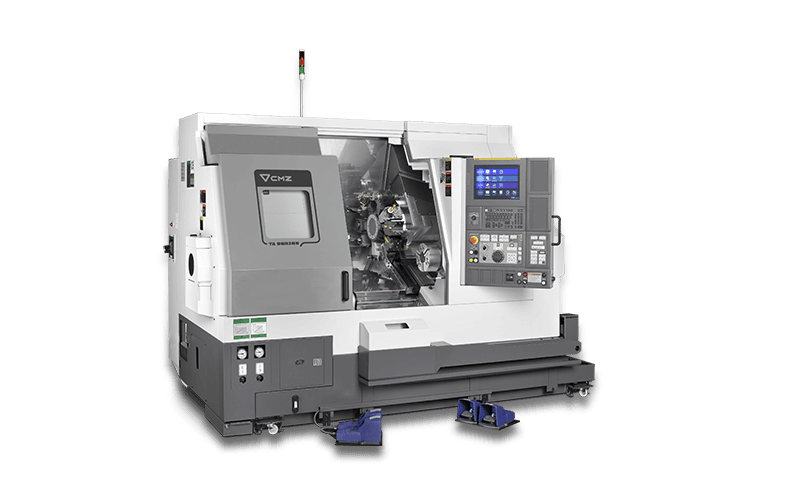
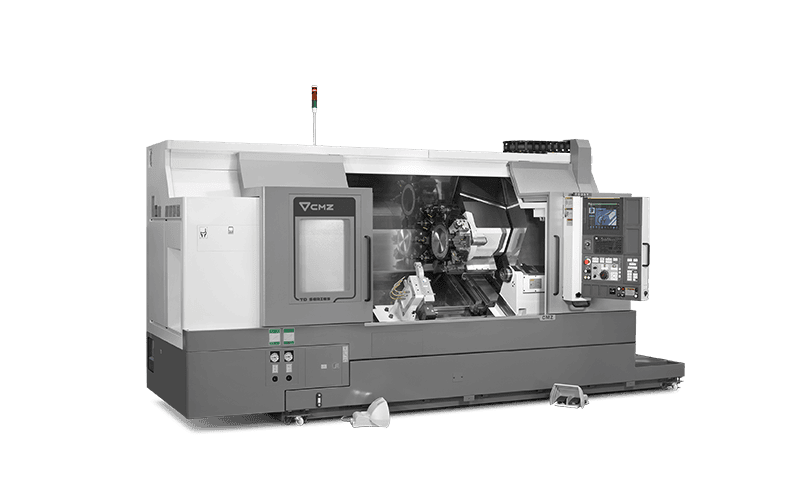
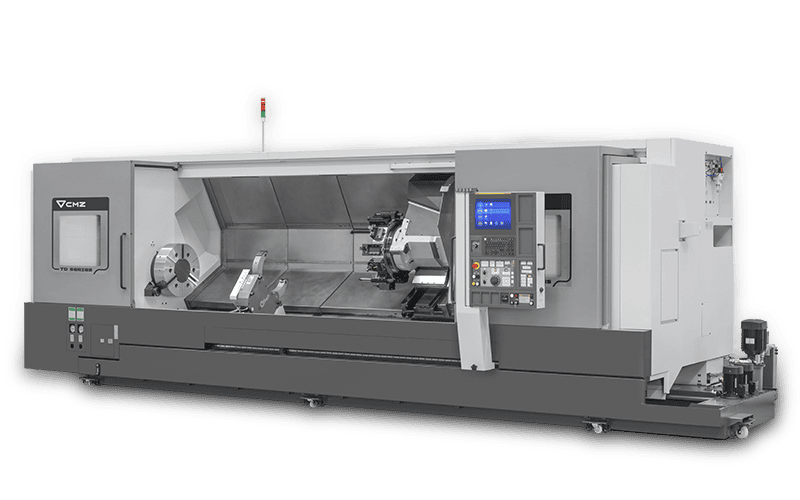
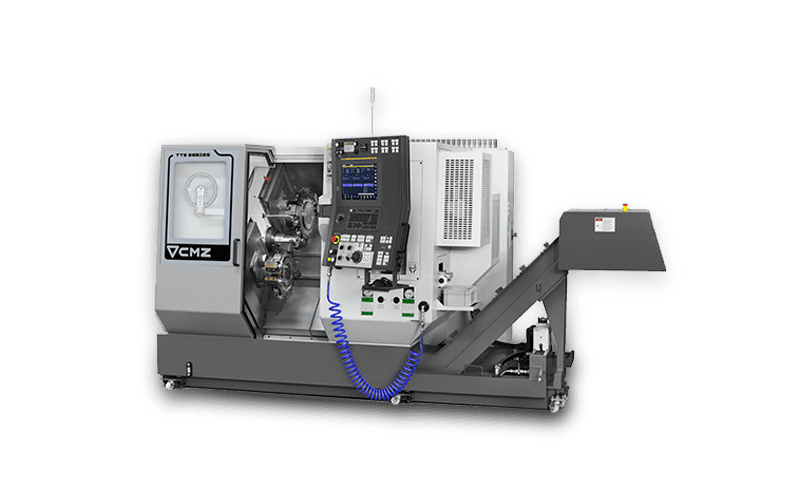
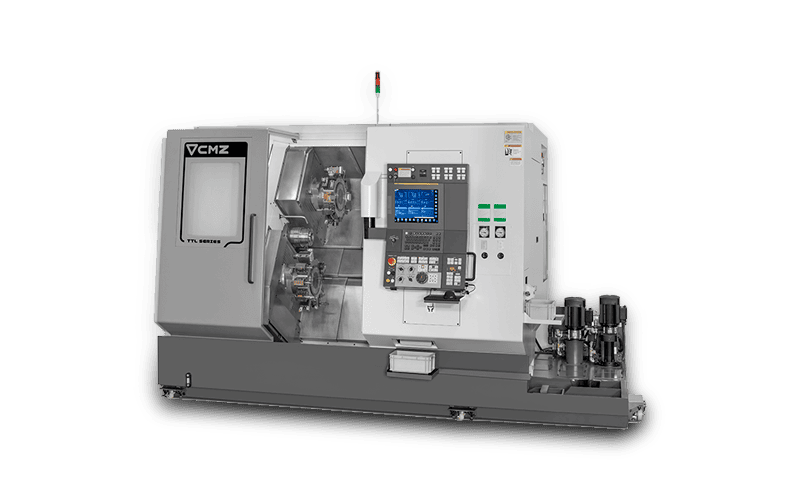
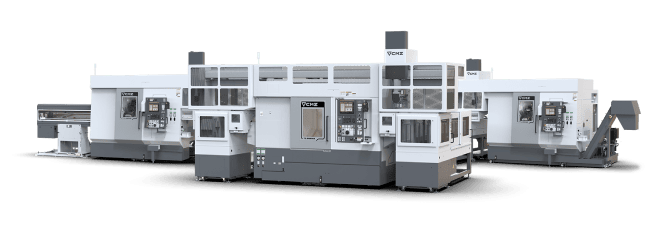
The definitive keys to carrying out CNC lathe maintenance correctly: which tasks really matter, why to follow the manufacturer's recommendations, which aspects are worth checking to prevent breakdowns… This official guide contains six technical recommendations from CMZ's engineers, a lathe manufacturer with over 80 years' experience, to extend the machine's service life.

Maintenance is key to ensuring accuracy, the reliability of the production process and the service life of the machine, maximising the investment.
Proper, consistent care over time allows you to:
CNC lathe maintenance combines periodic checks specified by the manufacturer with small preventive inspections that can be carried out daily or weekly. These actions help to detect problems before they become serious breakdowns.
Here are six preventive maintenance recommendations prepared by CMZ's engineering team, based on their direct experience in the design, manufacture and technical service of lathes.

The problem: using incompatible fluids can cause the slideway oil to degrade or dissolve into the coolant, losing its lubricating capacity and leaving mechanical components unprotected.
The solution: ensure a correct combination of oil and coolant that does not dissolve the slideway oil. This guarantees optimal lubrication.
A simple check is to mix equal volumes of coolant and slideway oil in a clear plastic bottle. After shaking, let it stand for a few minutes.
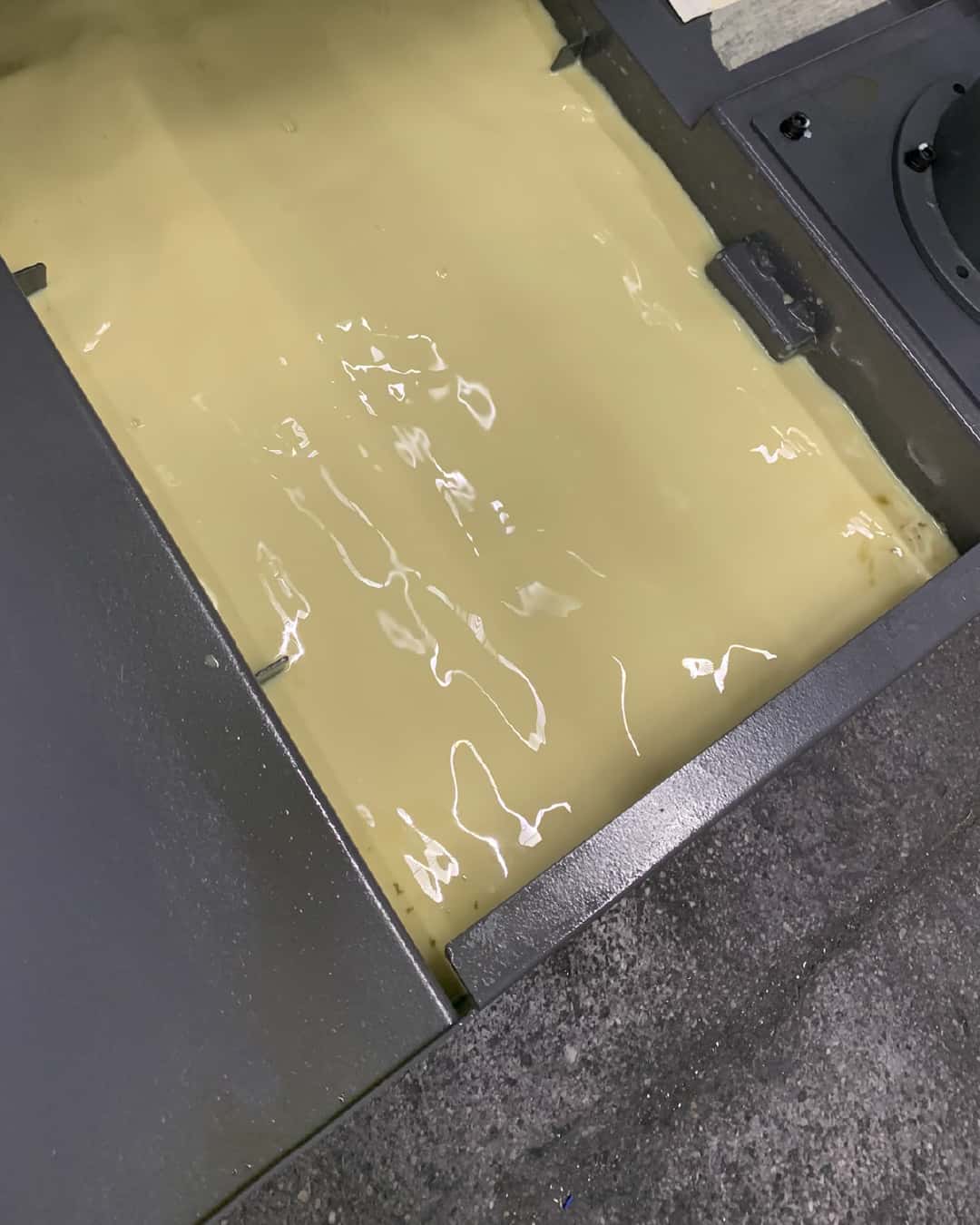
The problem: water with high limescale build-up clogs pipework and compromises system stability and overall machine operation.
Over time, some of the water in the coolant sump evaporates. When this happens, minerals build up in the mixture, increasing their concentration. These residues can deposit on the slideways, hindering the movement of the carriages and posing a serious risk to the machine.
The solution: avoid high limescale concentrations in the water used to make the coolant. Excess limescale adversely affects both the cooling system and the general lubrication of the lathe.
It is advisable to measure water hardness regularly. In areas with especially hard water, industrial water softeners help to maintain the correct parameters.

The problem: running from cold at high spindle speeds after inactivity causes premature wear and thermal errors.
Mechanical components expand with heat. Bearing preload is set for a specific working temperature. If the axes start operating under demanding conditions while the lathe is still cold, the preload will be incorrect, causing premature wear.
The solution: when prolonged stoppages are expected (weekends or holidays), it is advisable to run a warm-up cycle for the headstock and axes movements.
This procedure allows you to:
Applying this cycle every morning when starting the machine from cold is highly advisable, beginning at low rpm and increasing the speed progressively.
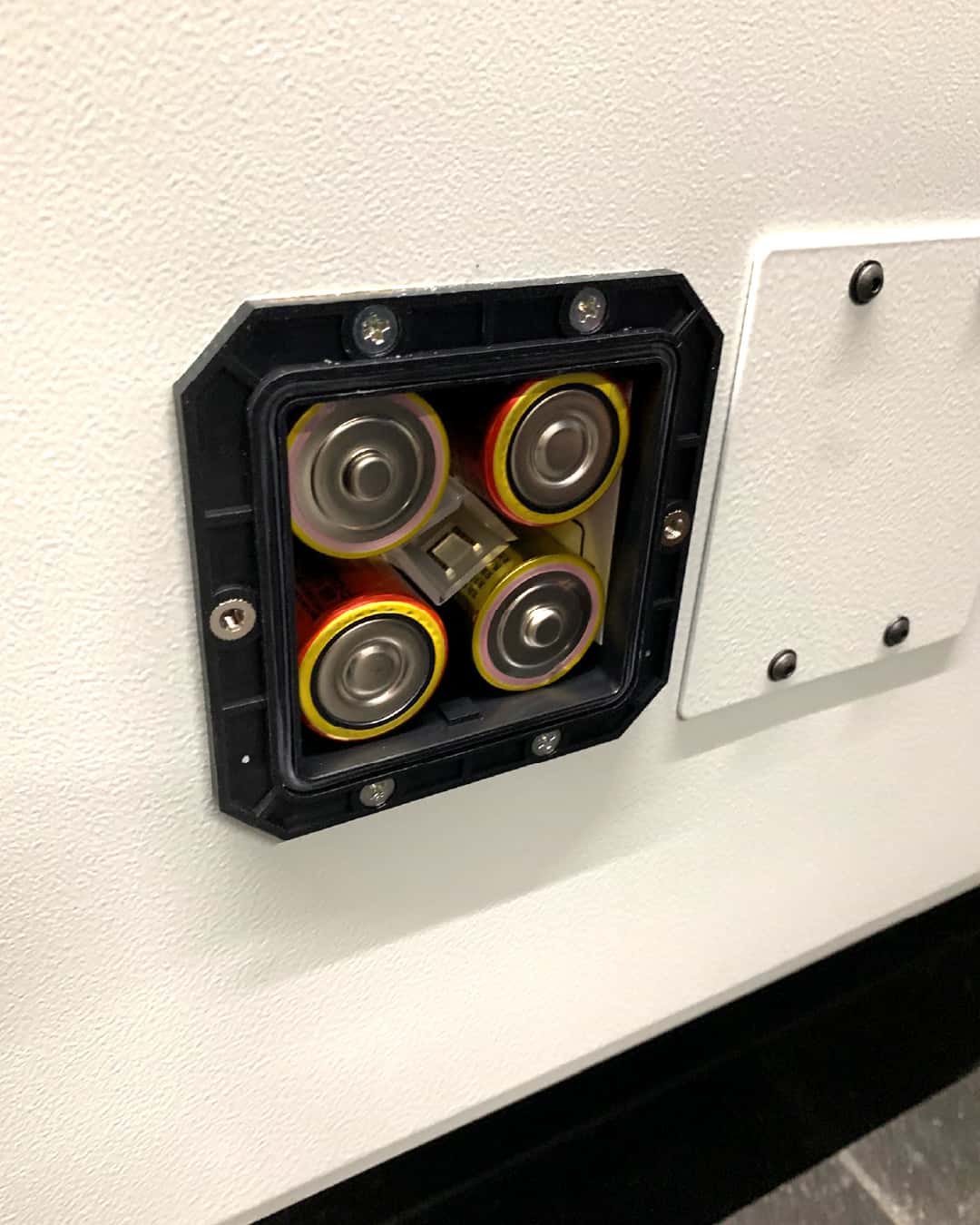
The problem: the loss of machine references after an extended shutdown (e.g. summer holidays) due to battery depletion prevents immediate start-up.
Restoring the machine coordinate system is complicated and not all operators are able to carry it out correctly, even with guidance from the after-sales team. This often results in a request for on-site technical assistance.
The solution: when a stoppage is anticipated, it is essential to replace the batteries and leave the axes in the reference position. In this way, a start-up free from "loss of zero" errors is ensured.
Even without prolonged stoppages, it is important to replace the batteries annually as indicated in the lathe's maintenance manual.

The problem: fine swarf that works its way under the protective covers damages the guideways, ball screws and telescopic covers. Wipers act as a protective element for the covers and the guideways.
The solution: keep the wipers in perfect condition and periodically clean swarf build-up on the telescopic covers to extend their service life. They are the first line of protection and it is important to carry out continuous checks.
When cleaning, take care, as poor practice can worsen the consequences. For example, using compressed air can drive swarf into the interior of the lathe, increasing the risk of damage. Using a coolant gun is recommended and, when necessary, supplement it with brushes to properly remove debris.
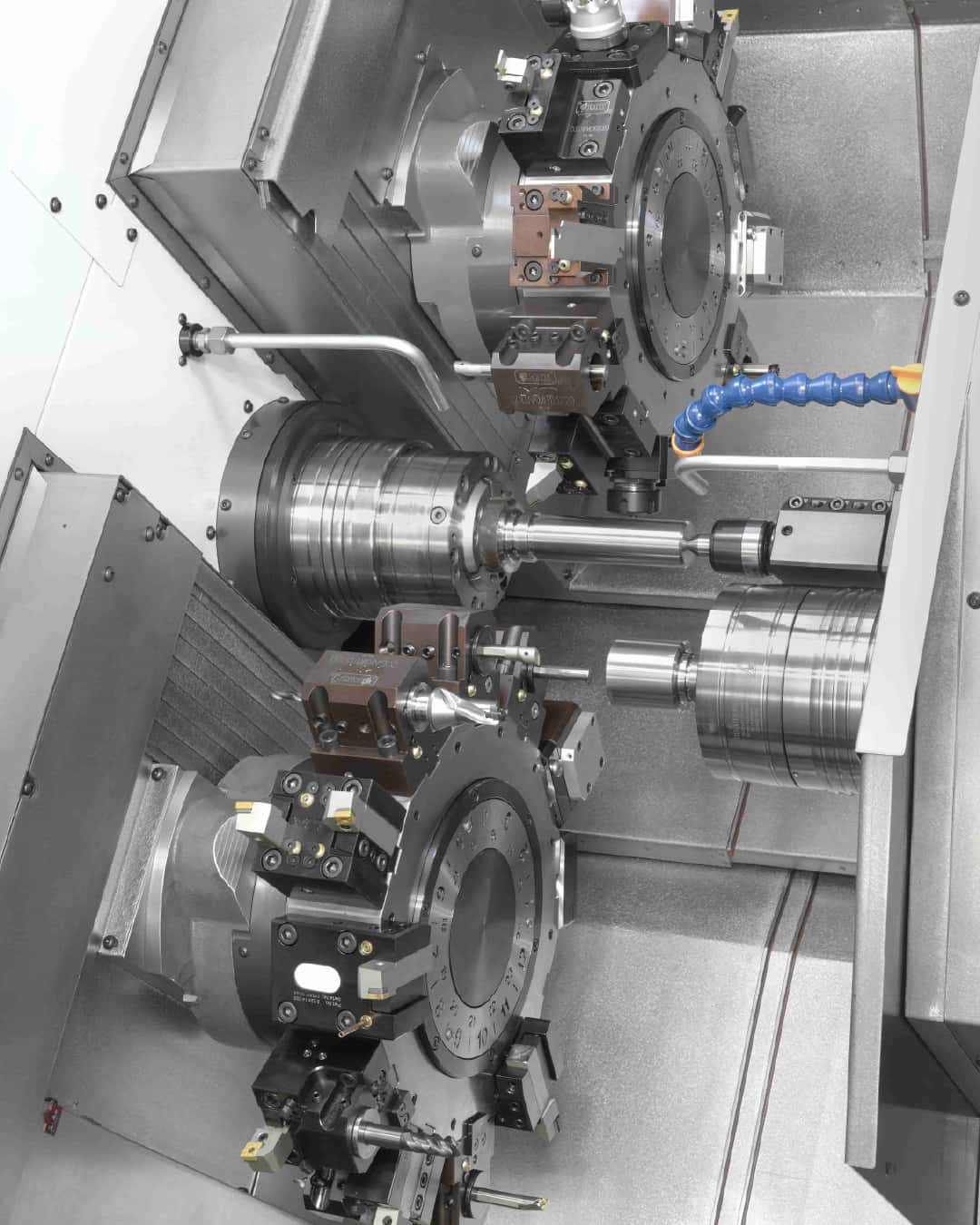
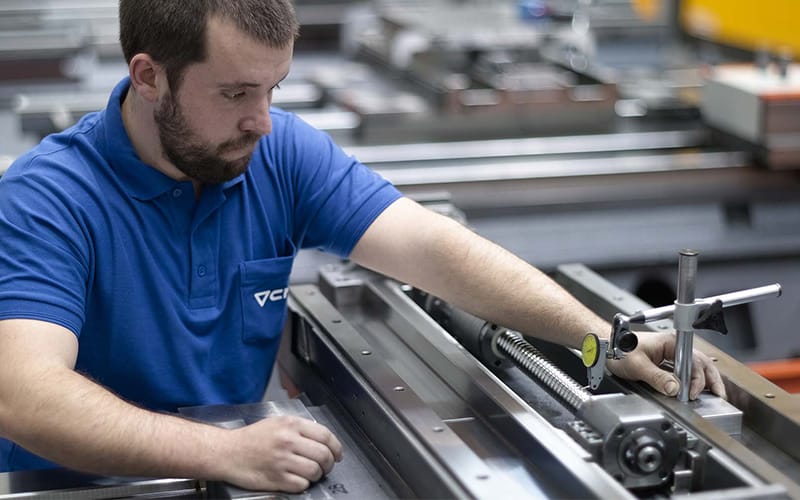
The problem: collisions or intensive use can throw the machine geometry out of alignment, especially on multi-turret lathes. Working with a misaligned turret forces the X-axis ballscrew, causing damage to the support bearings and to the screw itself.
The solution: on multi-turret lathes it is advisable to regularly check the alignment of headstocks and turrets to ensure the slideway mechanics perform optimally. A weekly check of the lathe geometry is recommended.
To make this task easier, TTL lathes are supplied with a test mandrel. If any misalignment is detected, it is essential to act immediately, following the instructions described in the maintenance manual to restore the machine geometry.
Manufacturer's Note: if in any doubt about technical specifications, always contact the official Technical Assistance Service.
The maintenance frequency of a CNC lathe will depend on factors such as the type of use, operating hours and the production environment. As a general rule:
Below are some of the daily tasks that operators can carry out depending on the lathe model. It is recommended to consult the corresponding maintenance manual for details of these checks, as well as the intervals and frequencies recommended by the manufacturer.
| Task | Applicable to |
| Lubrication of chuck / workpieces | All lathes |
| Check hydraulic oil level | All lathes |
| Check lubricating oil level | All lathes |
| Check headstock cooling oil level | All lathes |
| Check cutting fluid / coolant level | All lathes |
| Check hydraulic power pack fan | All lathes |
| Check electrical cabinet heat exchanger fan | All lathes |
| Check fan in the upper headstock area | All lathes |
| Check electrical cabinet side fan | All lathes |
| Manual greasing of the steady rest: apply grease with a grease gun until it emerges slightly. | TA, TD |
| Chip conveyor collection basket for initial straining of coolant in the extractor | TTL, TTS |
| Greasing the chucks | Gantry Loader |
| Check the grease level in the central lubrication unit | Gantry Loader |
Important note: the daily tasks presented are for guidance. There are many other periodic maintenance actions that are essential for the operation of the machine. To ensure complete and safe maintenance, always consult the manufacturer's manual and follow its specific recommendations.
In industry, there are different types of maintenance applicable to a CNC lathe:
After purchasing a machine, having a qualified team capable of providing a quick response is very important. When planning maintenance, it is worth paying special attention to the following after-sales service conditions:
These recommendations have been prepared by CMZ's engineering team, a European manufacturer of CNC lathes with 80 years of experience in the market. The knowledge acquired from more than 9,000 machines installed in real production environments supports these best practices.
As a complement to these recommendations, CMZ offers its customers maintenance contracts tailored to different production needs: ESSENTIALS, ADVANCED and PRO. These plans help ensure the correct operation of the CNC lathe over time.
We suspect that you have not found what you are looking for. We have some great ideas for our next application videos, but we would also like to find out your opinion on...